Your Customers May Not Be Ready Yet
One of the biggest misconceptions in marketing is that if someone doesn’t enquire or buy immediately, your marketing hasn’t worked.
In reality, most purchasing decisions begin long before a business receives a lead.
Customers discover brands, compare alternatives, read reviews, consume content and revisit websites before deciding whether to take the next step.
That delay doesn’t necessarily indicate poor marketing.
It often reflects how people naturally make decisions.
The businesses that grow consistently aren’t always the ones generating the most traffic. They’re the ones building a system that keeps them visible, credible and memorable throughout the customer journey.
Blog in a Snapshot
Here’s what you can expect from this blog:
- Why don’t most customers buy the first time they discover your business
- Why a lack of immediate enquiries doesn’t always mean your marketing isn’t working
- How the Know, Prefer, Return framework supports long-term business growth
- Why disconnected marketing tactics often lead to disconnected results
- What businesses should measure beyond immediate leads and sales
The Customer Journey Isn’t Linear
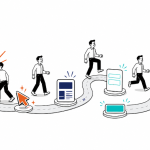
Customers rarely move neatly from awareness to purchase.
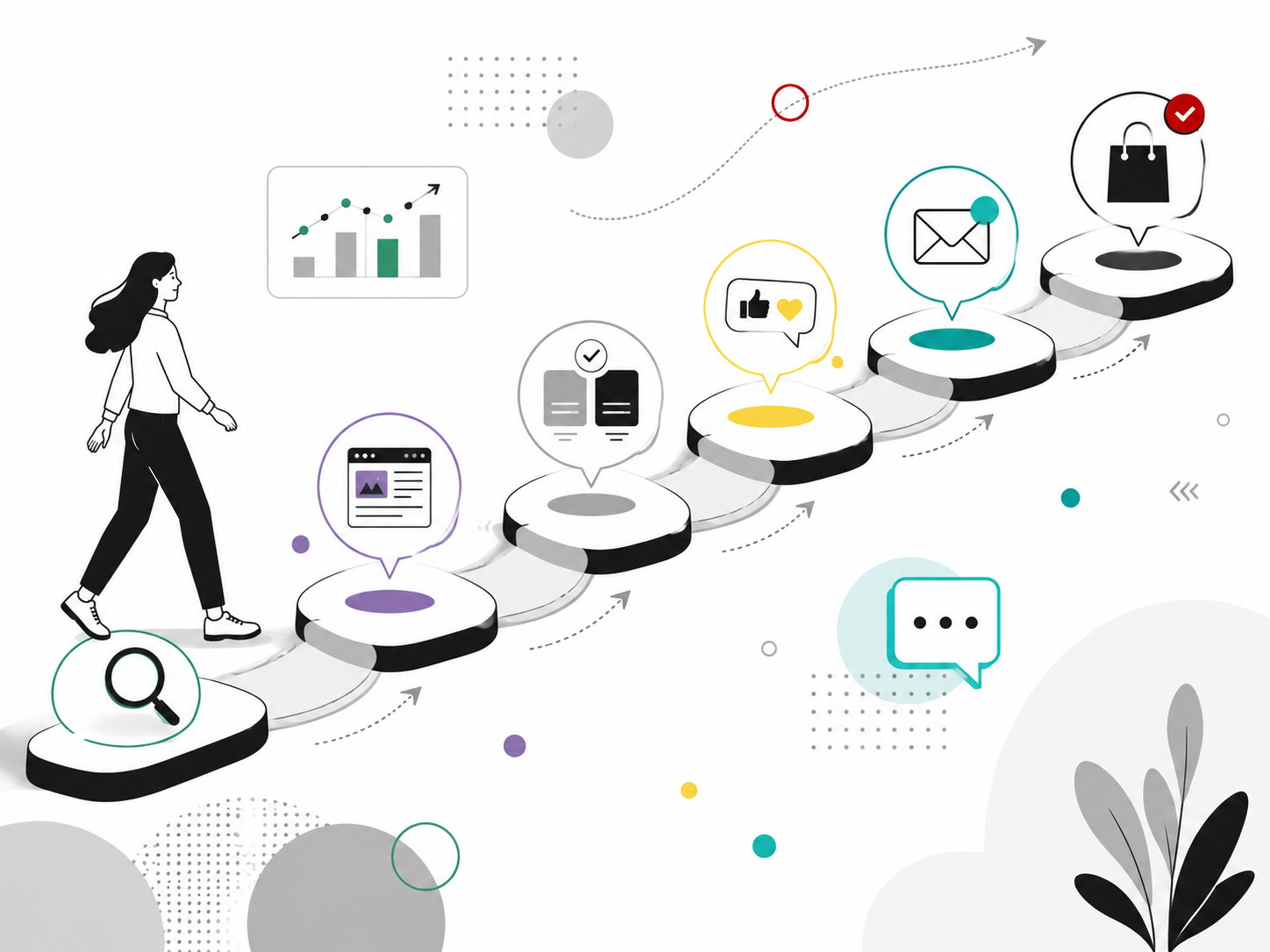
Instead, they move back and forth between researching, evaluating and comparing options. A typical journey might look like this:
- Discover your business through Google, AI search or social media
- Visit your website
- Compare competitors
- Read reviews
- Leave without enquiring
- Are retargeted with your Meta Ad a few days laters
- Return weeks later
- Read another article
- Discuss options internally
- Finally make a purchase or enquiry
While some may move through the customer journey within minutes, others take months.
The more complex or expensive the purchase, the more confidence people need before making a decision.
Treating every website exit as a lost opportunity ignores how buying decisions are actually made.
Not All Purchase Decisions Are Equal
Not every purchase is made at the same pace.
Some buying decisions happen almost immediately. A customer purchasing a $20 lipstick may discover the product on social media, read a few reviews and complete their purchase within minutes.
Other purchases require much more consideration. Buying a vehicle, choosing business software or engaging a professional service often involves extensive research, comparing multiple options, seeking approval from others and waiting for the right budget or timing. Those decisions can take weeks or even months. And that’s assuming the customer is already in the market to buy. In many cases, people may see your marketing well before they actually need your product or service. While they may not be ready to make a purchase today, building awareness now means your business is more likely to be remembered when the need eventually arises.
The longer the buying cycle, the more important it is to maintain regular communication with potential customers. If someone only encounters your business once, there’s a good chance they’ll forget about you or choose a competitor before they’re ready to make a decision.
That’s why businesses with longer sales cycles need multiple, meaningful touchpoints throughout the customer journey. Helpful content, email marketing, organic search visibility, paid remarketing and social media all help keep your business top of mind while customers continue their research, or simply wait until the timing is right to purchase.
The objective isn’t to encourage people to buy sooner. It’s to ensure your business remains visible, credible and memorable, so when the time comes to make a decision, you’re still one of the businesses they’re considering.
The Goal Isn’t Just More Leads or Sales
Many businesses focus almost entirely on generating more enquiries.
The better question is whether your marketing is helping customers move closer to choosing you.
At Omni, we think about this through three stages:
Know
Before someone can become a customer, they need to know your business exists.
This is where visibility matters. SEO, AI search, paid media, social media and helpful content all introduce your business to potential customers.
The objective isn’t immediate conversion.
It’s becoming a recognised option when someone begins their research.
Prefer
Being known doesn’t automatically make you the preferred choice.
Customers now need confidence that your products or services are the right choice for them.
That confidence comes from consistent messaging, educational content, strong reviews, case studies, a professional website and a clear explanation of how you solve their problem.
Every interaction should reduce uncertainty and strengthen trust.
Return
The customer journey doesn’t end after the first purchase.
In many businesses, the greatest growth opportunity comes from the customers you’ve already acquired.
Strong retention marketing keeps customers engaged through valuable email communication, loyalty initiatives, exceptional customer experiences, ongoing education and relevant offers.
Customers who return are more likely to purchase again, recommend your business to others and deliver greater lifetime value.
Acquiring a customer is important.
Building a relationship that keeps them coming back is where sustainable growth happens.
Not Every Customer Needs the Same Thing
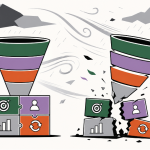
When someone doesn’t convert, it’s tempting to assume your marketing isn’t working.
Usually, one of three things is happening.
They’re Not Ready
The customer recognises the problem but isn’t ready to solve it.
Perhaps they’re waiting for budget approval, working through existing contracts or simply don’t see enough urgency yet.
In these cases, staying visible through useful content, email nurturing and organic visibility gives them a reason to come back.
They’re Not Convinced
Perhaps interest exists, but confidence doesn’t.
Whether it’s unclear messaging, or a website lacking social proof, testimonials or case studies, more advertising won’t inherently solve this problem. Building trust over time will.
They’re Not the Right Fit
Not every visitor is your ideal customer.
Sometimes the audience, budget or problem simply doesn’t align with what you offer.
Strong marketing isn’t about attracting everyone, it’s about attracting the right people.
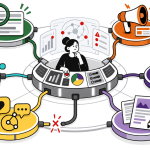
Marketing Is a System, Not a Collection of Channels
Customers don’t separate your marketing into SEO, Google Ads, email marketing and social media.
They experience one business, that’s why disconnected tactics often produce disconnected results.
Sustainable growth comes from building a connected system where every activity supports the next.
At Omni, we describe this as our 360° Growth Plan:
- Attract: Help the right people discover your business.
- Activate: Turn attention into trust, engagement and enquiries.
- Return: Build long-term relationships that encourage repeat engagement, referrals and loyalty.
Within that system, every touchpoint should help customers know your business, prefer your business and return when the timing is right.
When these elements work together, marketing becomes more than lead generation. It becomes a growth engine.
Don’t Measure Marketing by Immediate Conversions Alone
Leads and sales will always matter.
But they don’t tell the whole story.
Alongside commercial results, it’s worth tracking indicators that show customers are progressing through their journey, including:
- Returning website visitors
- Growth in branded searches
- Time spent on key pages
- Content engagement
- Email interactions
- Assisted conversions
These signals don’t replace revenue metrics, but they do help explain whether marketing is building future demand as well as generating demand today.
Final Thoughts
Most customers don’t buy the first time they discover your business.
They research, compare, evaluate and wait until the timing feels right.
The businesses that succeed aren’t necessarily generating sales or leads from one single marketing campaign. They’re the ones consistently building familiarity, trust and credibility throughout the customer journey, which may culminate to sales or leads in a particular campaign.
That’s why sustainable growth isn’t about chasing individual tactics or expecting every visitor to convert immediately.
It’s about creating a connected marketing system that helps customers know you, prefer you and return when they’re ready.
If your marketing is generating attention but not enough momentum, the problem may not be a lack of traffic.
It may be that your customer journey isn’t giving people enough reasons to come back, or enough confidence to choose you when they do.